- What is HACCP?
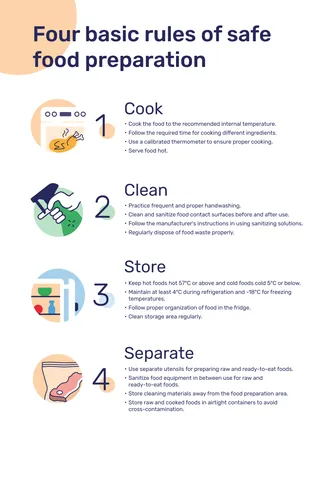
- Hazard Analysis and Critical Control Point (HACCP) is a systematic, preventative food safety management system that identifies, evaluates, and controls biological, chemical, physical, and allergenic hazards at specific operational stages called Critical Control Points (CCPs).
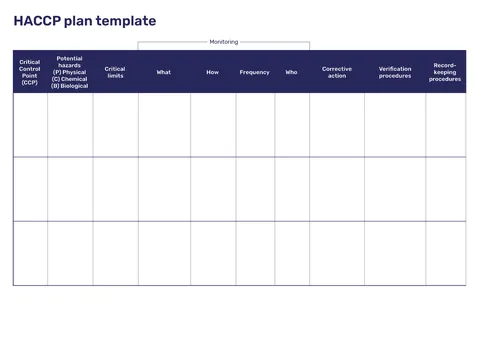 CHART
Free Takeaway HACCP Plan Template
Build a compliant HACCP plan for your UK takeaway or restaurant. Identify critical control points, set safety limits, and download audit-ready PDF logs.
An interactive HACCP plan builder guides food business operators through establishing a Hazard Analysis and Critical Control Point system based on Codex Alimentarius principles. Documenting biological, chemical, physical, and allergen hazards along with critical control limits satisfies Article 5 of Regulation (EC) No 852/2004 for UK food premises.
HACCP Plan Builder & CCP Hazard Analysis Matrix
Document critical control points, preventive limits, and corrective procedures for kitchen records.
7-Principle Hazard Analysis & Critical Control Points
All textareas and fields below are 100% editable. When printed, all text prints fully with zero clipping.
| Process Step | Hazard Type | Hazard Details | CCP? | Critical Limit | Monitoring Procedure | Corrective Action | Action |
|---|---|---|---|---|---|---|---|
How to Implement the HACCP Plan Template in Your Commercial Kitchen
Practical due diligence procedures, regulatory compliance steps, and EHO audit verification guidelines for UK hospitality businesses.
UK Statutory Due Diligence Framework
Under Section 21 of the Food Safety Act 1990, a food business operator has a defense of due diligence if they prove that all reasonable precautions were taken and all due diligence was exercised to prevent food safety offenses.
Documented logs like the HACCP Plan Template provide contemporaneous proof of monitoring required by Regulation (EC) No 852/2004 (retained UK law). Local council Environmental Health Officers (EHO) evaluate these records when scoring the "Confidence in Management" category of the Food Hygiene Rating Scheme (FHRS).
Official FSA Record-Keeping Guidance & Due Diligence
Under UK Food Standards Agency (FSA) Safer Food, Better Business (SFBB) standards and Article 5 of Regulation (EC) No 852/2004, food business operators are required to maintain contemporaneous, accurate operational records.
- Contemporaneous logging: Kitchen logs must reflect actual checks performed during opening, active service, and closing rather than retrospective estimates.
- Corrective action logs: Whenever a critical limit is breached, document the specific corrective measure taken (e.g. food discarded, chilled, or reheated) with staff initials.
- Statutory due diligence defense: Retaining completed daily sheets for a minimum of 6 to 12 months supports the statutory defense under Section 21 of the Food Safety Act 1990. Official guidance is available at food.gov.uk.
Step-by-Step Operational Routine
Operational Step 1
Identify operational process steps: delivery, storage, prep, cooking, cooling, reheating, and hot holding.
Operational Step 2
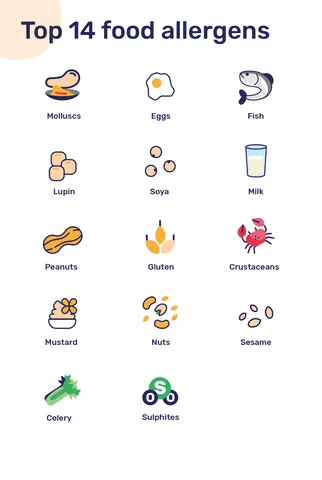
Conduct a hazard analysis for each step covering biological, chemical, physical, and allergen risks.
Operational Step 3
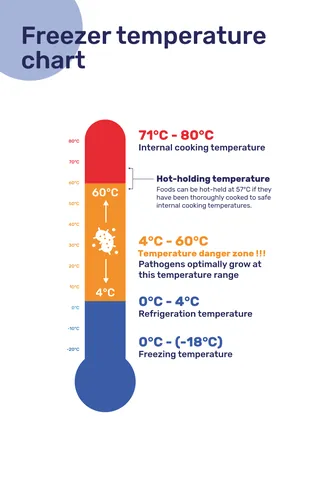
Determine Critical Control Points (CCPs) such as cooking to >=75°C or chilling below 8°C within 90 minutes.
Operational Step 4
Establish validated monitoring frequencies, responsible roles, and immediate corrective action procedures.
Operational Step 5
Document, print, and implement the completed HACCP plan with annual management verification.
Procedures align with UK Food Standards Agency (FSA) Safer Food, Better Business (SFBB) catering guidance and the Food Information Regulations 2014. Review official advice at food.gov.uk.
Frequently Asked Questions
Common questions about UK kitchen compliance, record keeping, and EHO audits.
All temperatures, microbial lethality pairs, and critical limits on this page have been verified against primary statutory documents issued by the UK Food Standards Agency (FSA), Food Standards Scotland (FSS), Regulation (EC) No 852/2004, and US FDA/USDA guidelines.
These templates, checklists, and calculators are food-safety management tools designed to assist UK food business operators (FBOs) in maintaining organised kitchen records and internal procedures. They do not constitute legal advice and using them does not guarantee compliance with UK food law or a five-star food hygiene rating.
How to Write a HACCP Plan for UK Food Businesses Step-by-Step
Read our in-depth guidance on UK Food Standards Agency inspection procedures, staff training, and compliance routines.